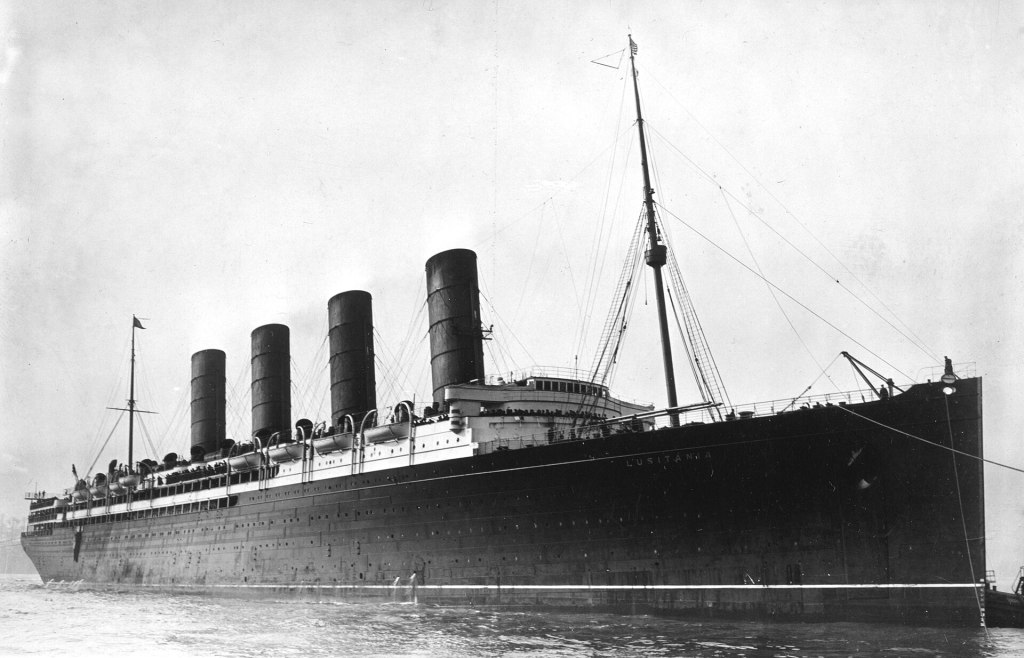
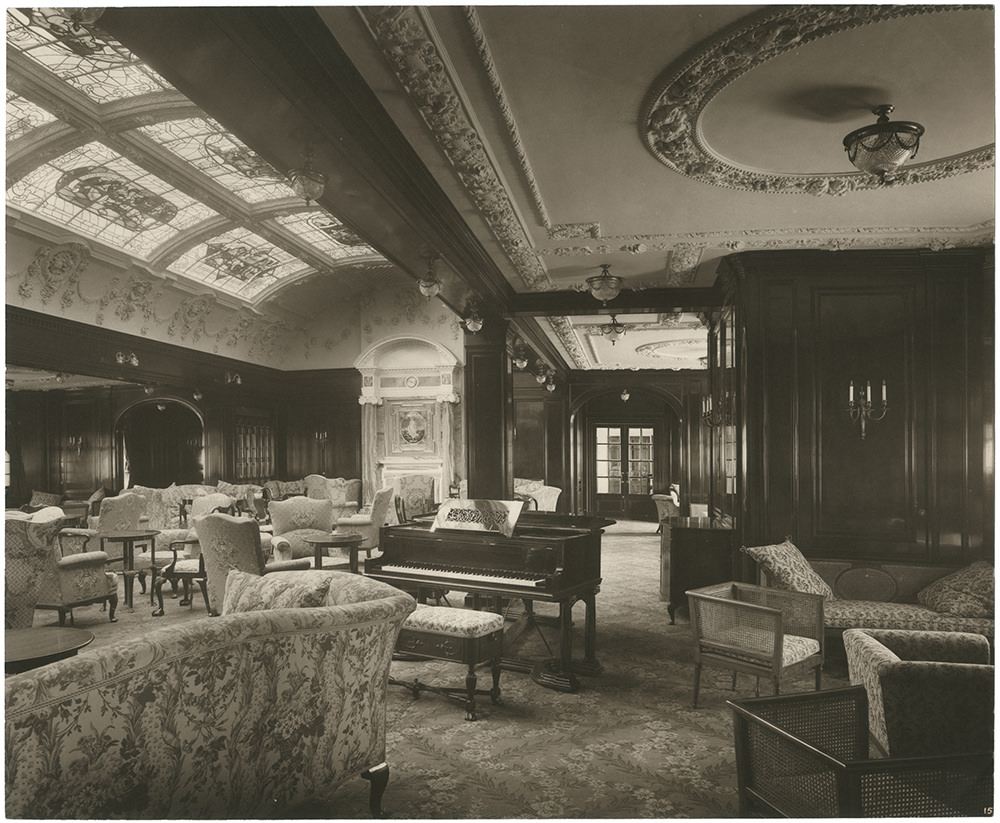
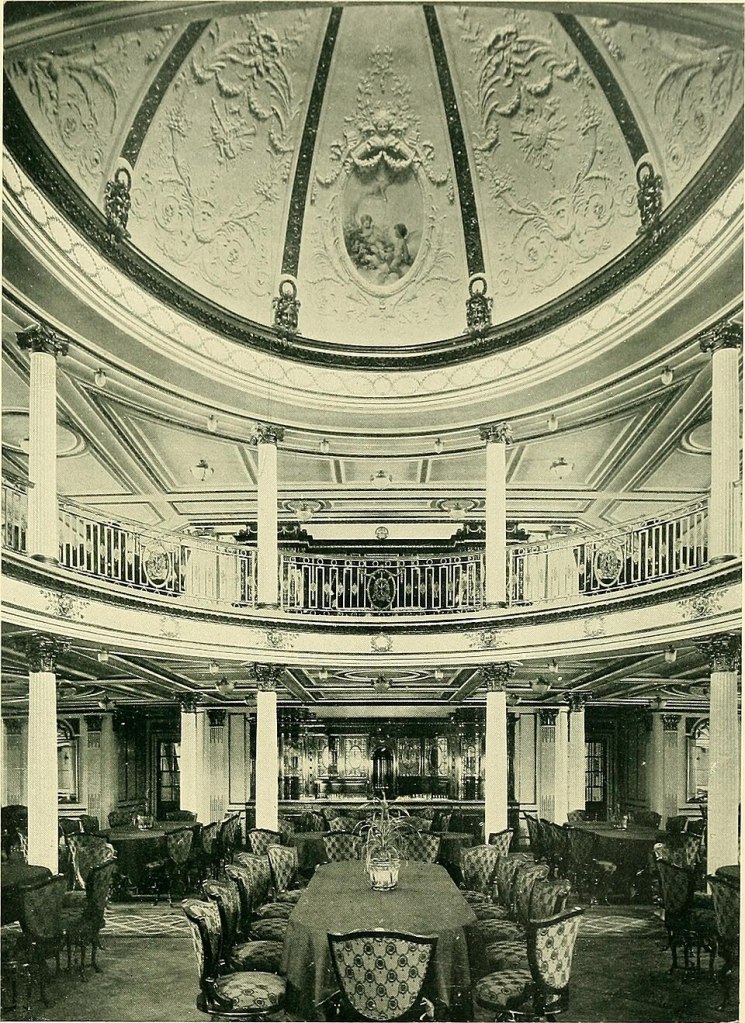
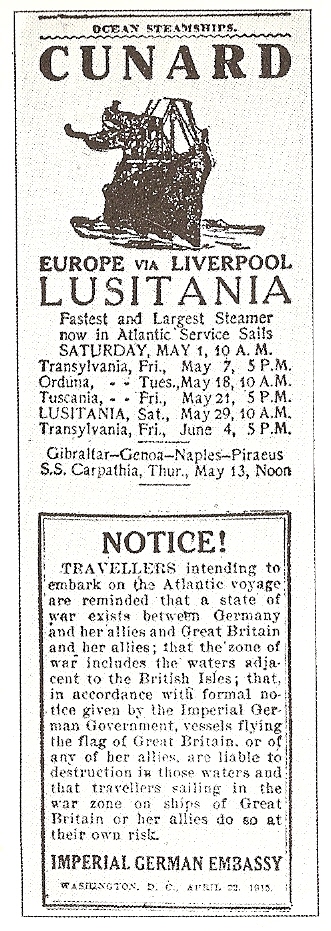
The Lusitania was one of the most famous ocean liners of her time. But when she set out across the Atlantic in 1915, she was entering a world at war, and the dangers ahead were no secret.
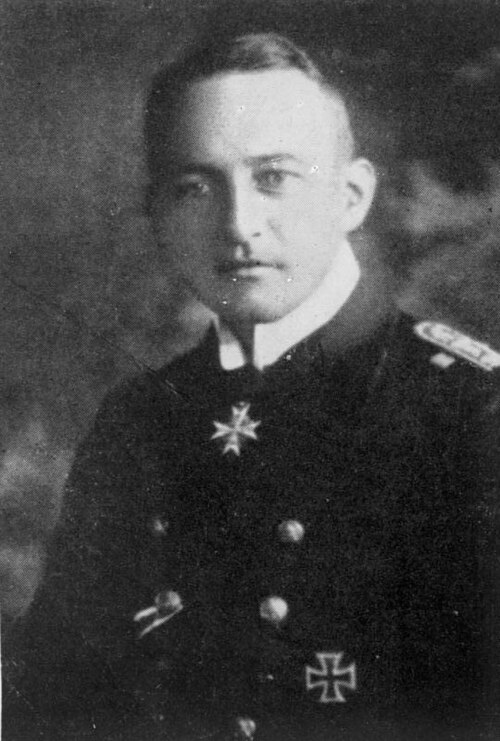
Despite warnings that German U-boats were targeting ships in the area, the Lusitania continued toward England. What followed became one of the most infamous maritime disasters of World War I.
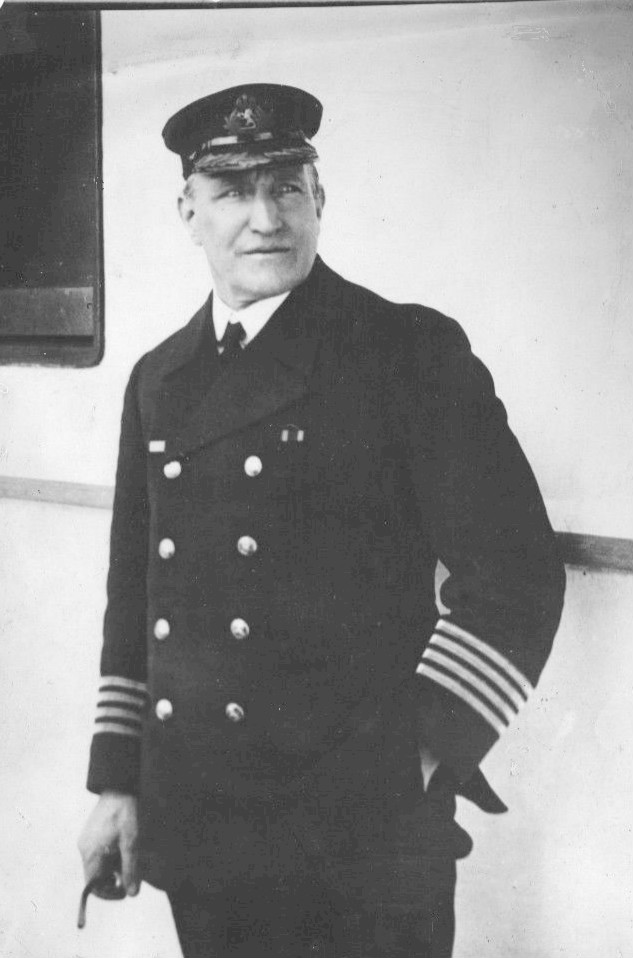
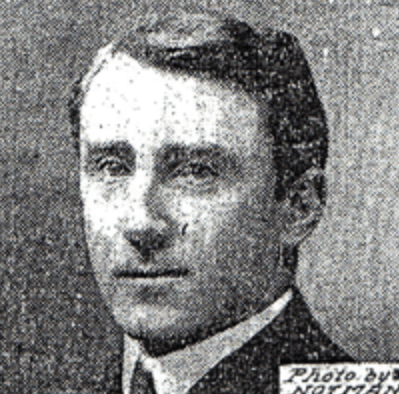
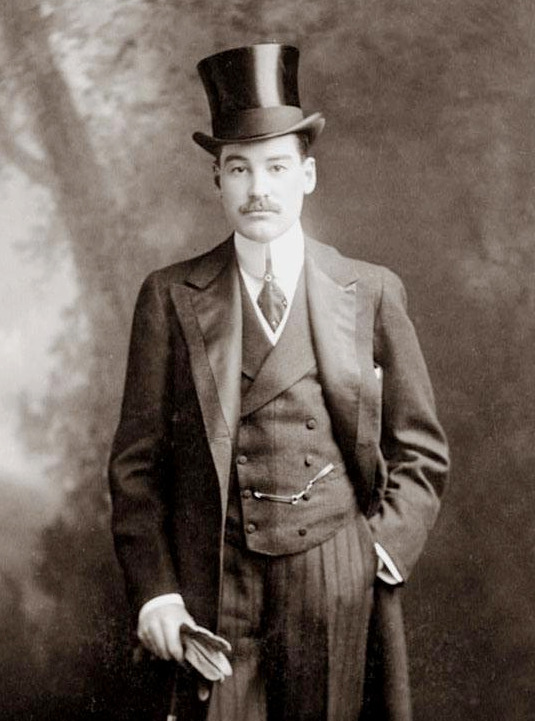
This week, we dive into the Lusitania’s final voyage, the people aboard her, the decisions that put the ship in harm’s way, and the secrets surrounding what she was carrying.



References:
Larson, E. (2015). Dead wake: The Last Crossing of the Lusitania. Crown.
Oceanliner Designs. (n.d.). Lusitania: The tragic story | Part 1 [Video]. YouTube. https://www.youtube.com/watch?v=y_Ct1vHj0qk
Oceanliner Designs. (n.d.). Lusitania: The tragic story | Part 2 [Video]. YouTube. https://www.youtube.com/watch?v=Dz0Zwovd9Yk
Photos:
- Wikimedia Commons. (1915, April 30). Lusitania warning [Photograph]. Wikimedia Commons. https://commons.wikimedia.org/wiki/File:Lusitania_warning.jpg
- Connecticut Humanities. (n.d.). Theodate Pope Riddle (1867–1946). Connecticut History. https://connecticuthistory.org/people/theodate-pope-riddle/
Wikipedia contributors. (n.d.). Walther Schwieger. Wikipedia. https://en.wikipedia.org/wiki/Walther_Schwieger - State Library of Queensland. (n.d.). Miraculous survival of the sinking of the Lusitania. https://www.slq.qld.gov.au/blog/miraculous-survival-sinking-lusitania
- Wikipedia contributors. (n.d.). Avis Dolphin. Wikipedia. https://en.wikipedia.org/wiki/Avis_Dolphin
- Wikipedia contributors. (n.d.). Ian Holbourn. Wikipedia. https://en.wikipedia.org/wiki/Ian_Holbourn


