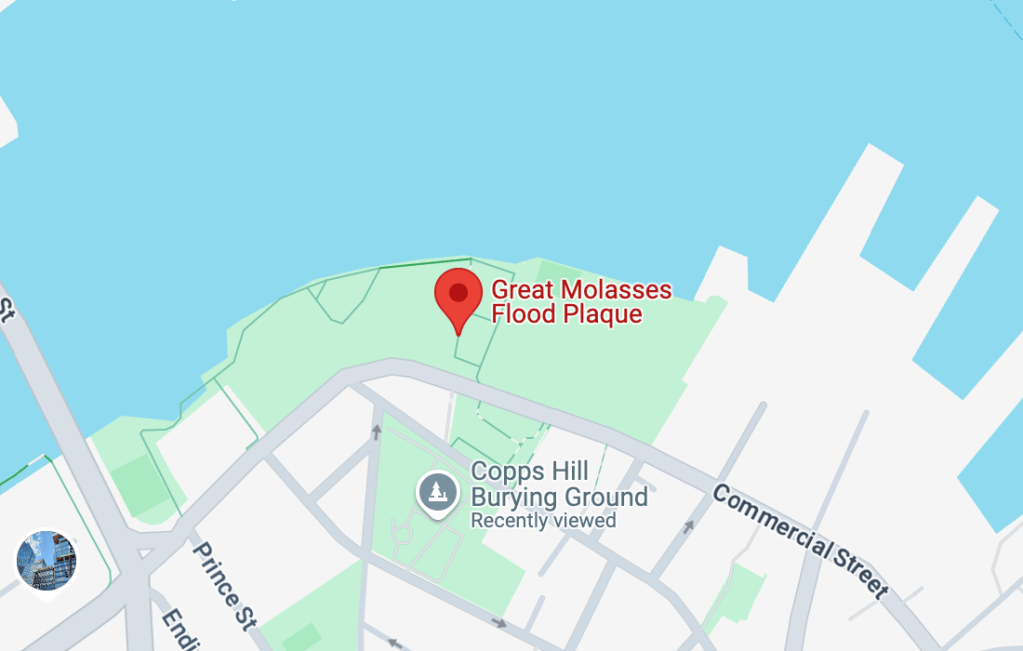
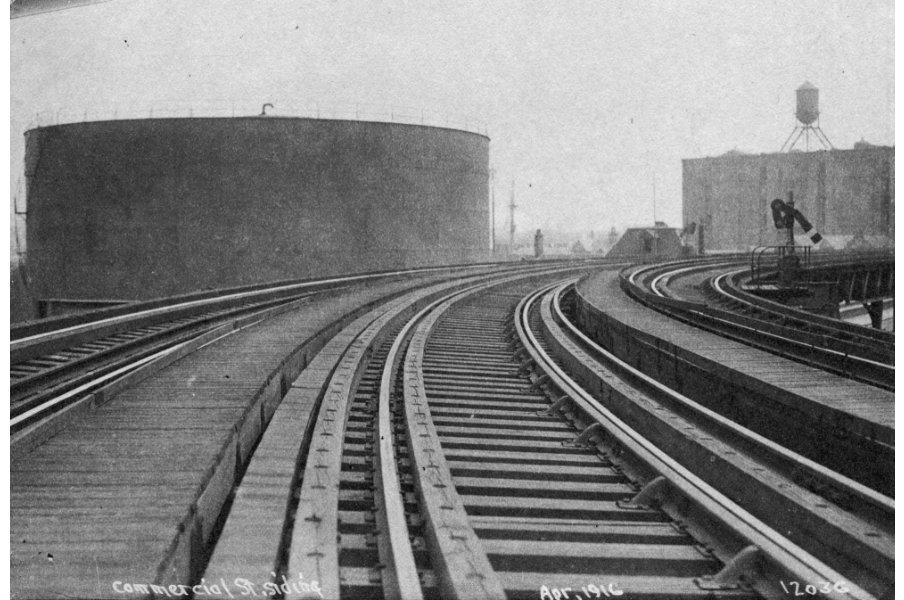
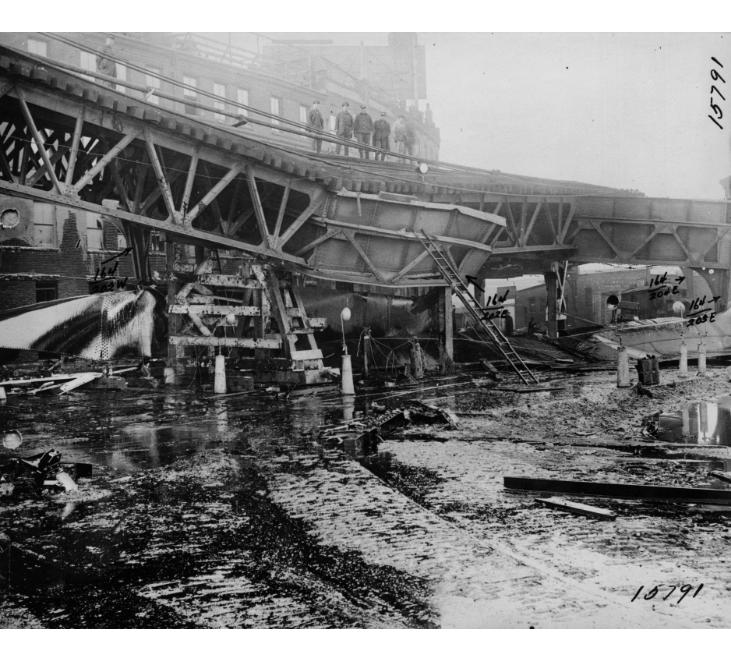
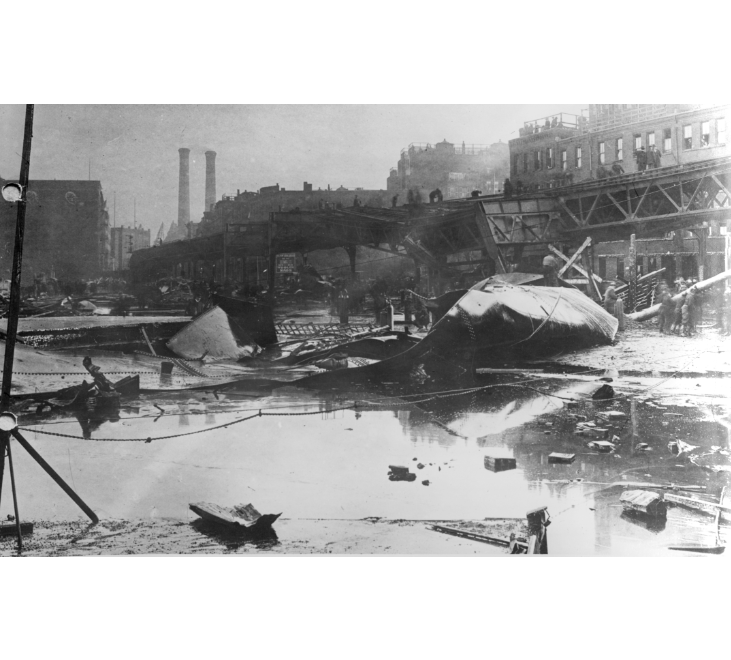
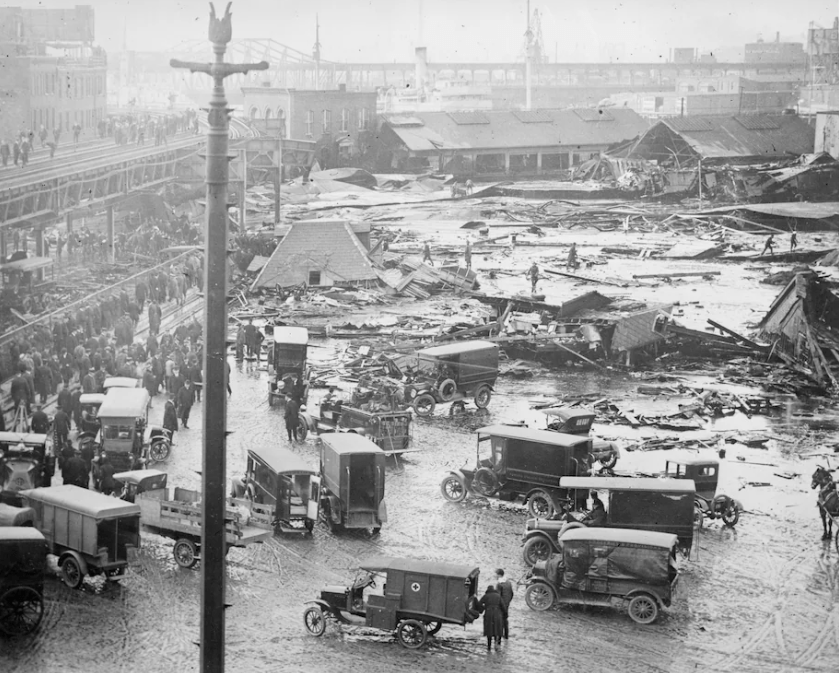
In January 1919, a seasonably warm day had locals in Boston spending time outdoors. What they didn’t know was that the large molasses tank located in the north end of the city was reaching a breaking point and soon would explode, causing 2.3 million liters of the sticky substance to wreak havoc on the city. How could something like this happen, and how could molasses be so deadly?
References:
Williams, C. (2023, December 5). The Gingerbread Man Story: Here’s the History Behind the Fairy Tale. Allrecipes. https://www.allrecipes.com/gingerbread-man-story-8410724
100 years ago today: Molasses crashes through Boston’s North End. (2021, January 15). Boston.gov. https://www.boston.gov/news/100-years-ago-today-molasses-crashes-through-bostons-north-end
Tikkanen, A. (2024, September 26). Great Molasses Flood | Definition, fatalities, & Facts. Encyclopedia Britannica. https://www.britannica.com/topic/Great-Molasses-Flood
Dwyer, D. (2019, January 14). ‘There was no escape from the wave’: These are the 21 victims of the Great Boston Molasses Flood. Boston.com. https://www.boston.com/news/history/2019/01/13/victims-great-boston-molasses-flood-1919/
Davis, R. S. (2019, January 13). ‘Oh my god! Run!’: The day a deadly wave of molasses tore through Boston. The Washington Post. Retrieved November 1, 2024, from https://www.washingtonpost.com/history/2019/01/13/oh-my-god-run-day-deadly-wave-molasses-tore-through-boston/?noredirect=on
 Coast Files Podcast